
Toddler Won't Eat Vegetables? 8 Things That Help
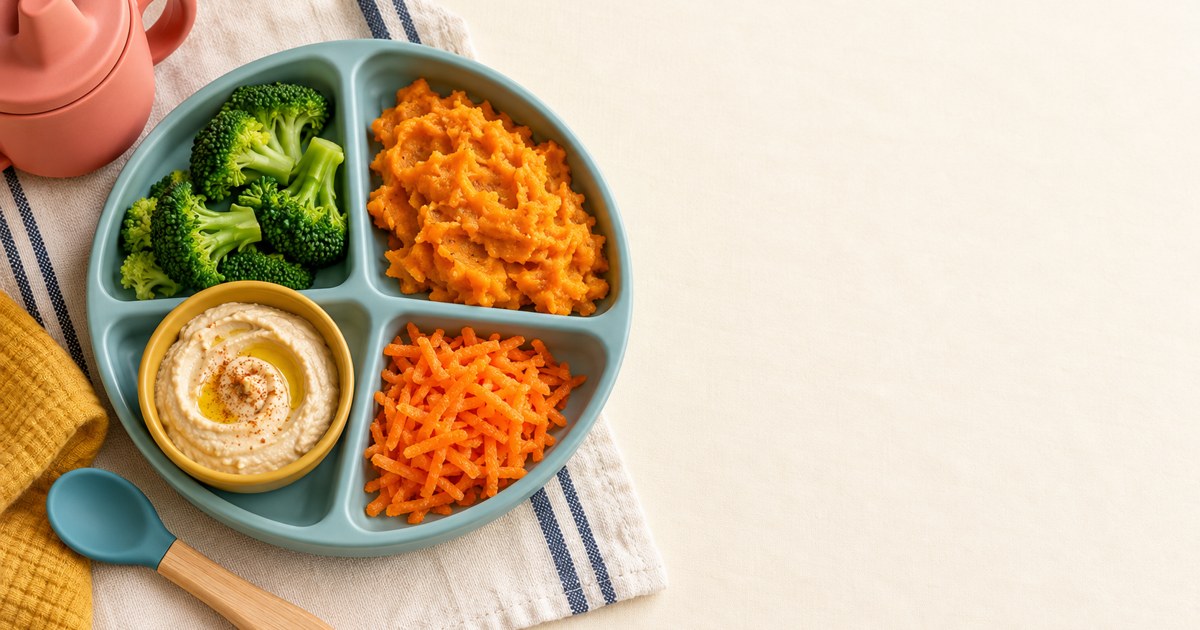
Many toddlers refuse vegetables, partly because bitter tastes are less appealing to young children. The good news: repeated, relaxed exposure usually helps over time.
8 things that help
1. Keep offering. It can take 10 or more exposures. 2. Serve veg first, when they're hungriest, with a safe food alongside. 3. Change the form. Roasted or steamed until soft, grated or very thinly shaved when raw, or blended into sauces. Skip hard raw pieces like carrot sticks, which the CDC lists as choking hazards. 4. Add a dip. Hummus, yogurt, mild cheese sauce. 5. Let them help. Washing, picking, stirring. 6. Eat them yourself. Toddlers copy. 7. Serve tiny portions. One piece counts. 8. Skip pressure and bribes. "Eat two bites for dessert" teaches that veg is the bad part.

Easy ideas
Zucchini mini pancakes, sweet-potato wedges, soft steamed broccoli "trees" with dip, carrot-butternut mac and cheese.
Choking safety
Have your child sit up while eating, watch them at all times, and prepare vegetables soft, grated or mashed. Avoid hard raw pieces (raw carrots) and uncut cherry tomatoes. Source: cdc.gov/infant-toddler-nutrition/foods-and-drinks/choking-hazards.html
When to ask your pediatrician
If the list of accepted foods is very short or shrinking, there's weight loss, or mealtimes are consistently distressing.

FAQ
Is it okay to hide vegetables?
Blending veg into sauces adds nutrition, but also keep serving them plainly so your child learns to accept them.
See also Picky Eater Toddler Meals. Free guide: toddler meals.
General information, not medical advice. Talk to your pediatrician about your child's individual needs.
Keep reading
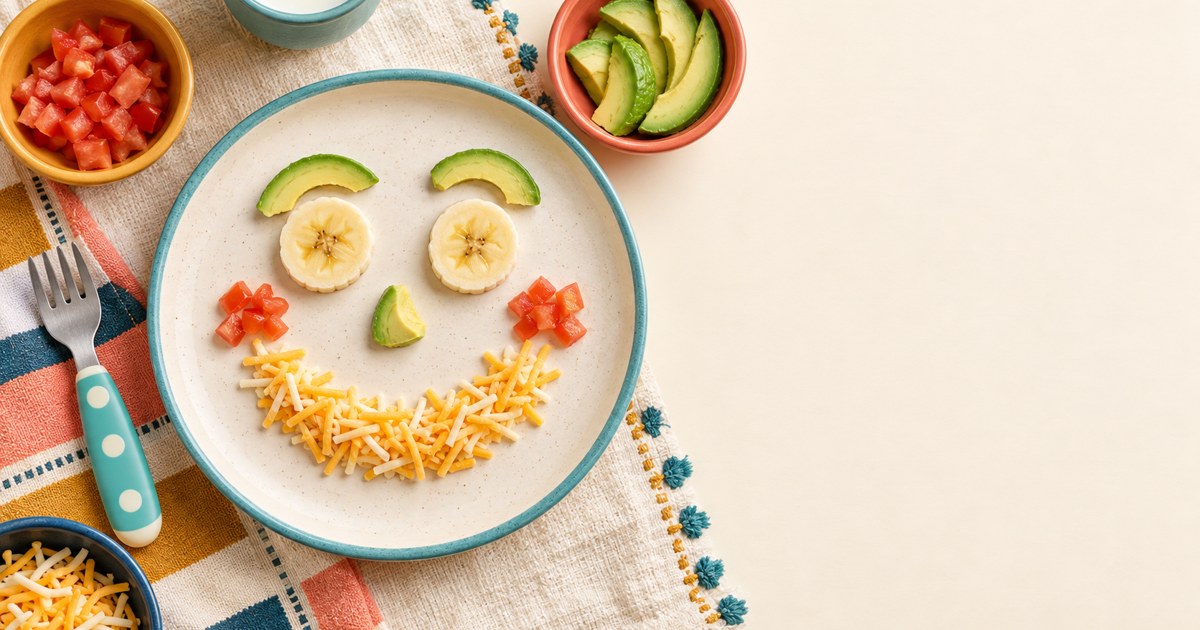 Toddler Meals Guide: Picky Eaters and Easy DinnersAll our articles on this topic in one place.
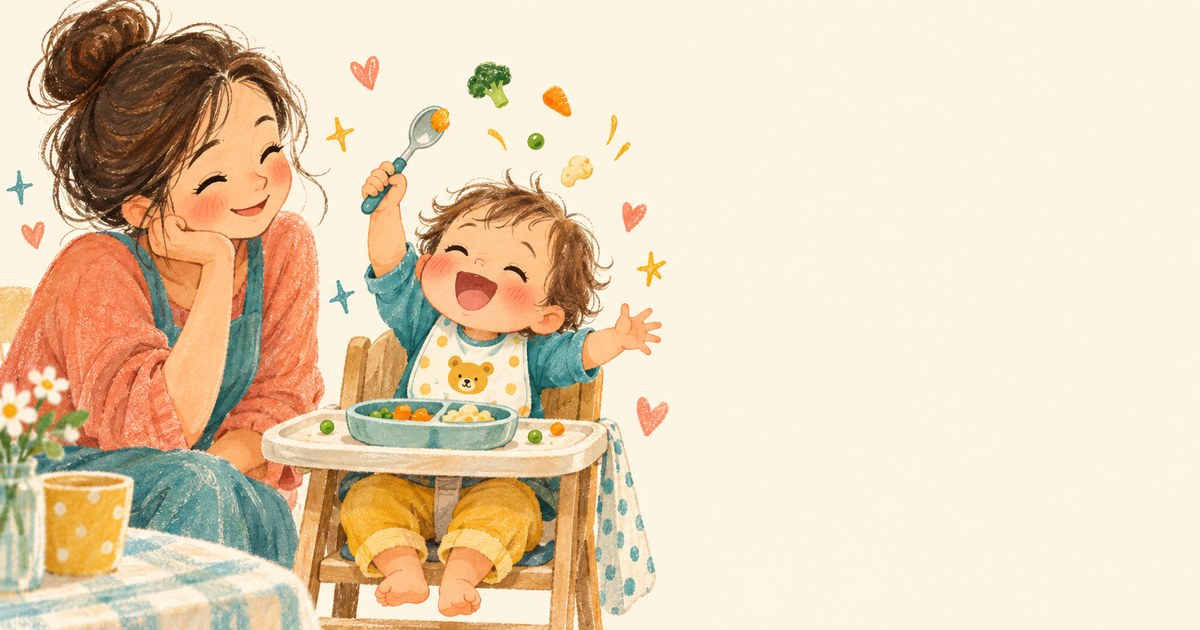 Why Does My Toddler Throw Food? What to DoWhy toddlers throw food and what to do about it: 6 calm fixes that stop food on the floor without turning mealtimes into a battle.
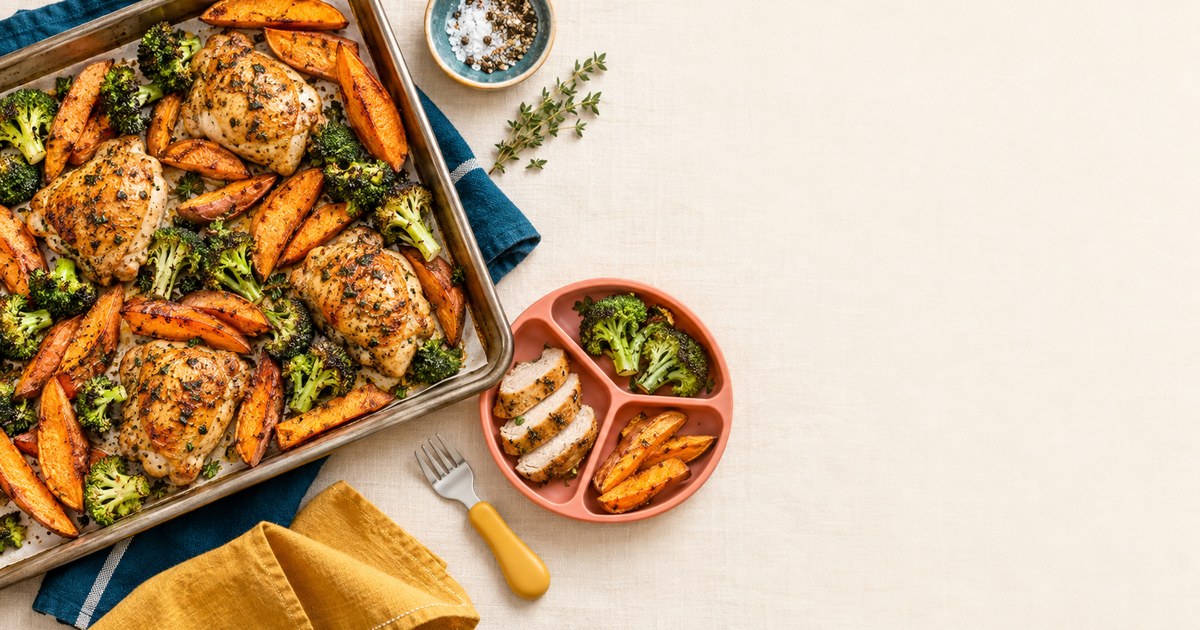 One-Pan Toddler Dinners the Whole Family Will EatEasy one-pan toddler dinners with little cleanup: sheet-pan chicken, salmon and veggie bakes, prepared soft and cut small for toddlers. Family friendly.
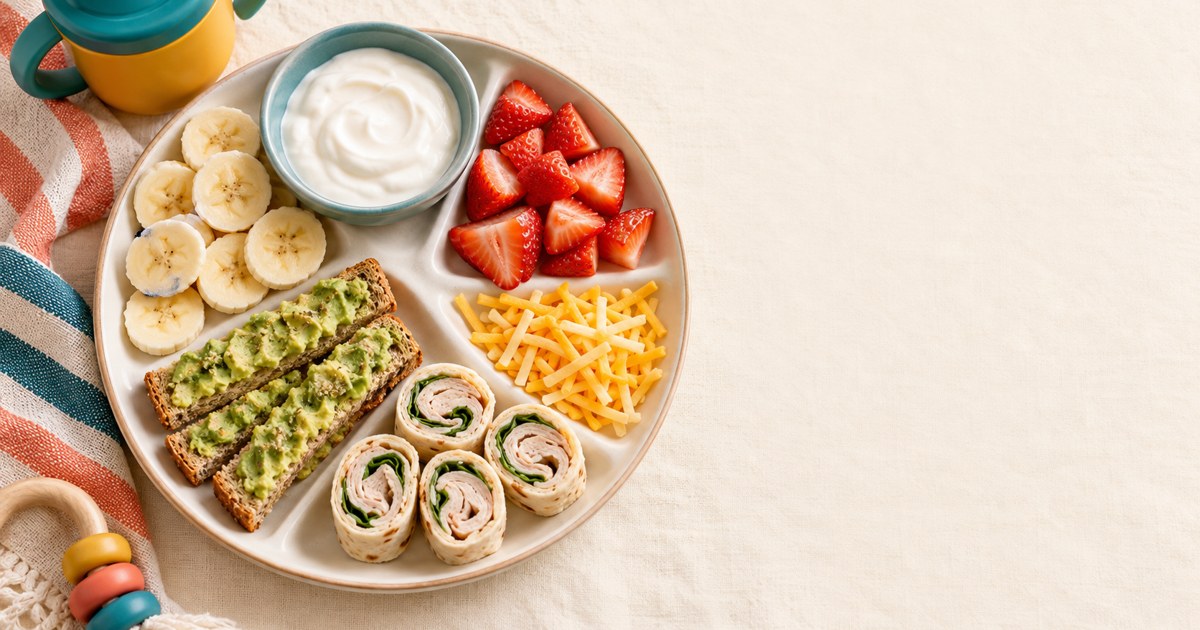 25 No-Cook Toddler Snacks You Can Make in 5 MinutesEasy no-cook toddler snacks you can make in 5 minutes, with safe preparation for each food (smashed, grated, quartered) based on CDC choking guidance.