
Toddler Screen Time: What the AAP Says and How to Cut Back
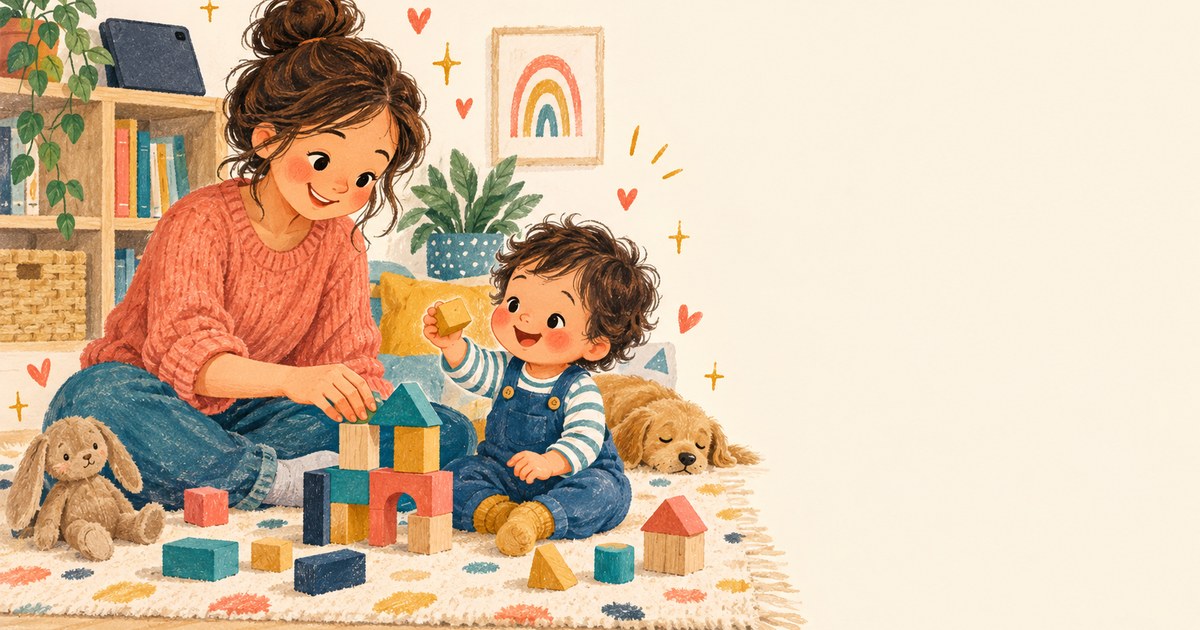
Screens are part of life, but toddlers do better with limits. Here is what the AAP says and how to act on it.
What the AAP says
The AAP says the infant and toddler years are a time when screens have more risks than benefits, and that higher screen use in young children has been linked with delays in language, social communication, cognition and sleep. It generally recommends less than one hour per day for toddlers and preschoolers. Sources: aap.org Q&A portal on screen time (2025 update). The AAP also notes there isn't enough evidence for one exact safe number of hours, so boundaries and balance matter most.

A 3-step plan to cut back
1. Set a regular schedule. Predictable times (for example, 30 minutes while you cook dinner) reduce asking. 2. Replace, don't remove. Have 3 ready screen-free swaps: a bin of toys, a book basket, an outdoor option. See Rainy Day Activities. 3. Use screens together. Pick high-quality content and talk about it.
Tips
- Turn screens off during meals and an hour before bed.
- Keep the TV off in the background.
- Give a warning: "Two more minutes, then off."
- Stay calm with protests; they usually fade within a week or two.

FAQ
Is video calling with grandparents okay?
Video chatting with loved ones is generally treated differently from passive viewing. Ask your pediatrician about your child.
Will screens delay my toddler's speech?
Heavy use is linked with language delays, and talking with your child is the best support. See Toddler Speech Milestones.
Get the plan: free screen-free guide.
General information, not medical advice. Talk to your pediatrician about your child's individual needs.